Product CenterA comprehensive chemical enterprise that integrates technical consulting, development, and sales of chemical products, fine chemicals, and additives
-

Manufacturing high-end and high-quality products
Specializing in the research and development, production, and sales of chemical additives, papermaking additives, water treatment agents, and other chemical products
-

An innovative technology enterprise that integrates research and development, production, and sales
Complete service and nationwide market network, with business extended to countries and regions such as Malaysia, Laos, Indonesia, etc
-

Developing Green Fine Chemical Industry
Create value for customers, create wealth for society, and create happiness for employees
-
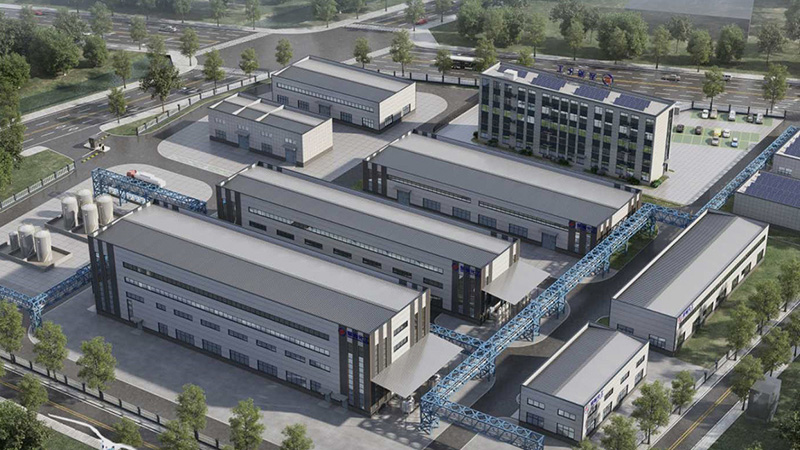
Strong and trustworthy strength
Anhui Kedi Da Chemical Co., Ltd. welcomes new and old customers to consult and negotiate
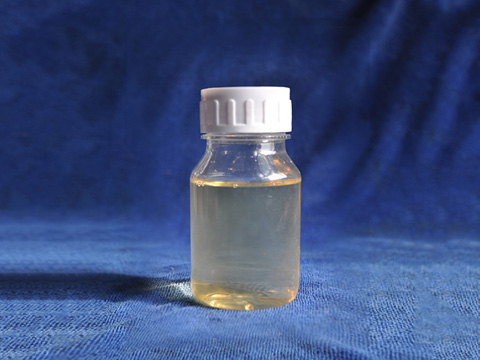
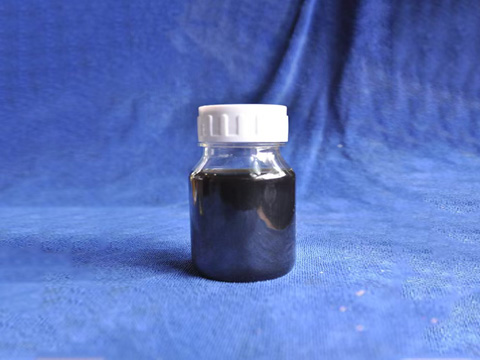
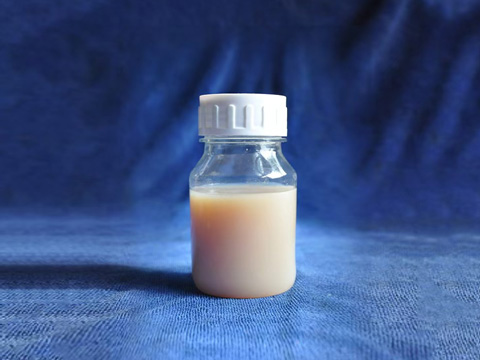
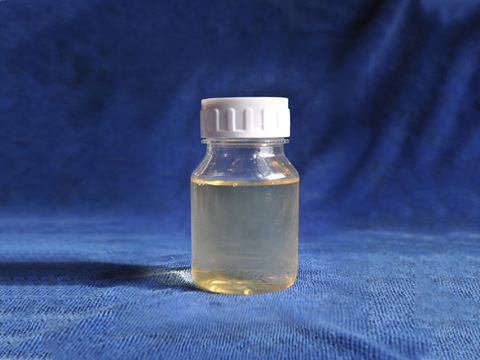
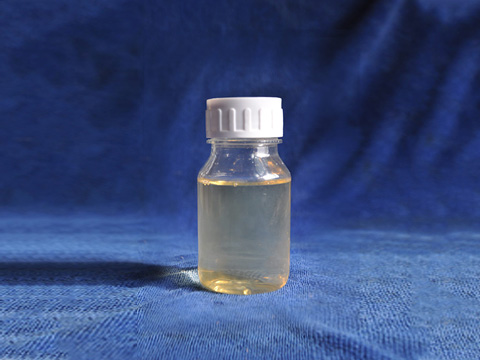
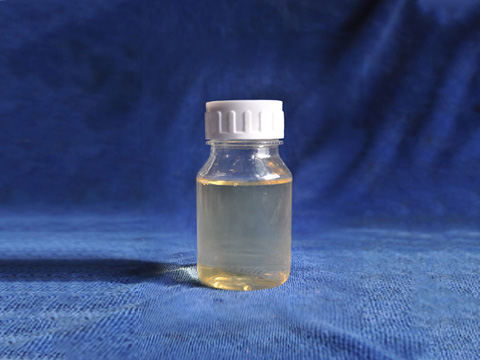
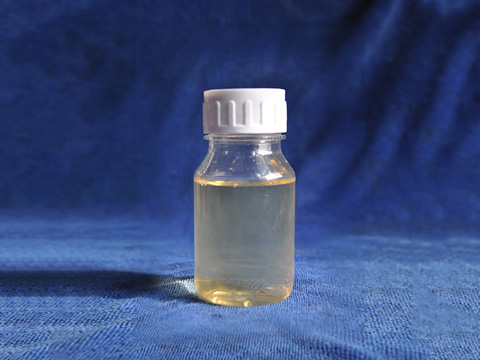
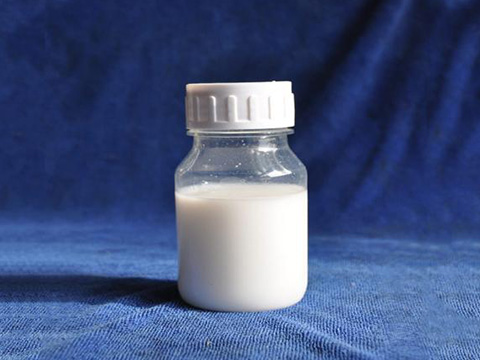
Why choose Kedida
Focus on high qualityIntegrity, pragmatism, innovation, and enterprising
NewsInsight into industry development and grasp the latest information of the company
Company News

-
Cationic Polyacrylamide: A Powerful Assistant for Wastewater Treatment
Cationic polyacrylamide is a high molecular weight polymer with unique chemical structure and properties. Its appearance is usually white powder, soluble in water, forming a viscous solution. Thi...
2025-08-24
About UsUnderstanding Kedida Chemical is the key to trusting Kedida Chemical more
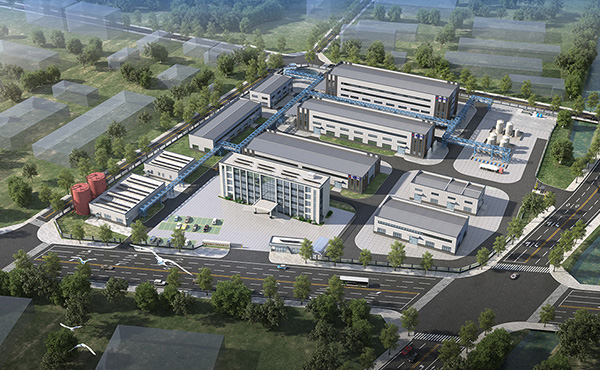
-
Anhui Kedida Chemical Co., Ltd
Anhui Kedida Chemical Co., Ltd. was established in 2011 and is headquartered in Hefei, Anhui Province. It specializes in the research and development, production, and sales of chemical additives, papermaking additives, water treatment agents, and other chemical products. It has established a market network with comprehensive services throughout the country and gradually extended its business to countries and regions such as Malaysia, Laos...
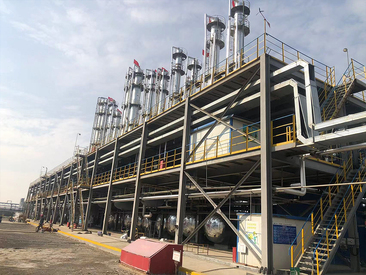
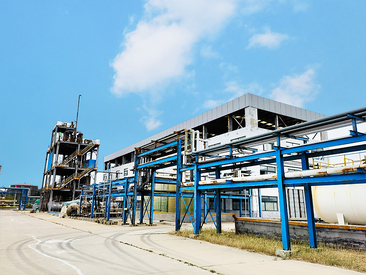
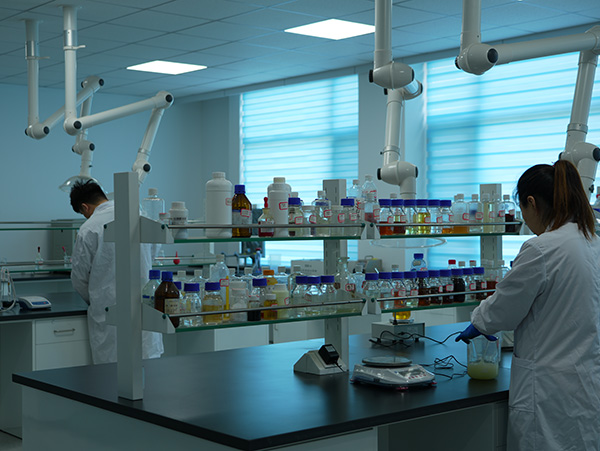
Culture Honors Plant equipment



Hotline
0551-64672689
189-5586-6777

kedida@ahkdd.com

Address
No. 6 Factory Building, Fenglin Avenue No. 1, Xitang Town, Changfeng County, Hefei City, Anhui Province, China

Copyright © 2025 Anhui Kedida Chemical Co., Ltd  Anhui Public Security Registration No. 34011102001903
Friendly link:
